Buying Guide
Introduction
WCPF is the only art fair to operate a unique hybrid model of 50% specialist gallery booths, bringing some of the world’s most notable contemporary artists, and 50% The Curated Hang of international artists invited or selected by a panel of industry experts.
This means that collectors have access to thousands of original artworks at multiple entry points to establish or enhance a collection. You simply can’t buy bad
BUYING PRINT
WHY PRINT?
Printmaking offers an accessible entry point into collecting fine art. Because multiple impressions can be created within an edition, prints are often more affordable than paintings in oil or watercolour. This accessibility allows you to explore different styles, discover new artists, and build confidence as you curate your own collection.
START YOUR PRINT COLLECTION
Woolwich Contemporary Print Fair is dedicated to providing multiple access points for everyone to enjoy and collect contemporary art. WCPF proudly partners with Own Art to enable art buyers to spread the cost of an artwork over 10 monthly interest-free installments 0% APR. Take away your dream artwork from as little as £10 per month.
RED DOTS
Editions can range from unique works (1/1) such as monotypes, up to and sometimes over 150 editions. The number of works available will be listed on the artwork label.
During the Fair, if you see a large red dot on the artwork label this signifies that the framed piece on display has been sold, and a small red dot signify that one unframed artwork from the edition has been sold and there may be more available.
HOW TO READ PRINTS
Specialist terminology and jargon can be confusing. Here is our guide to reading print, how an artist will sign and label their work, what to look out for and what it means.
-
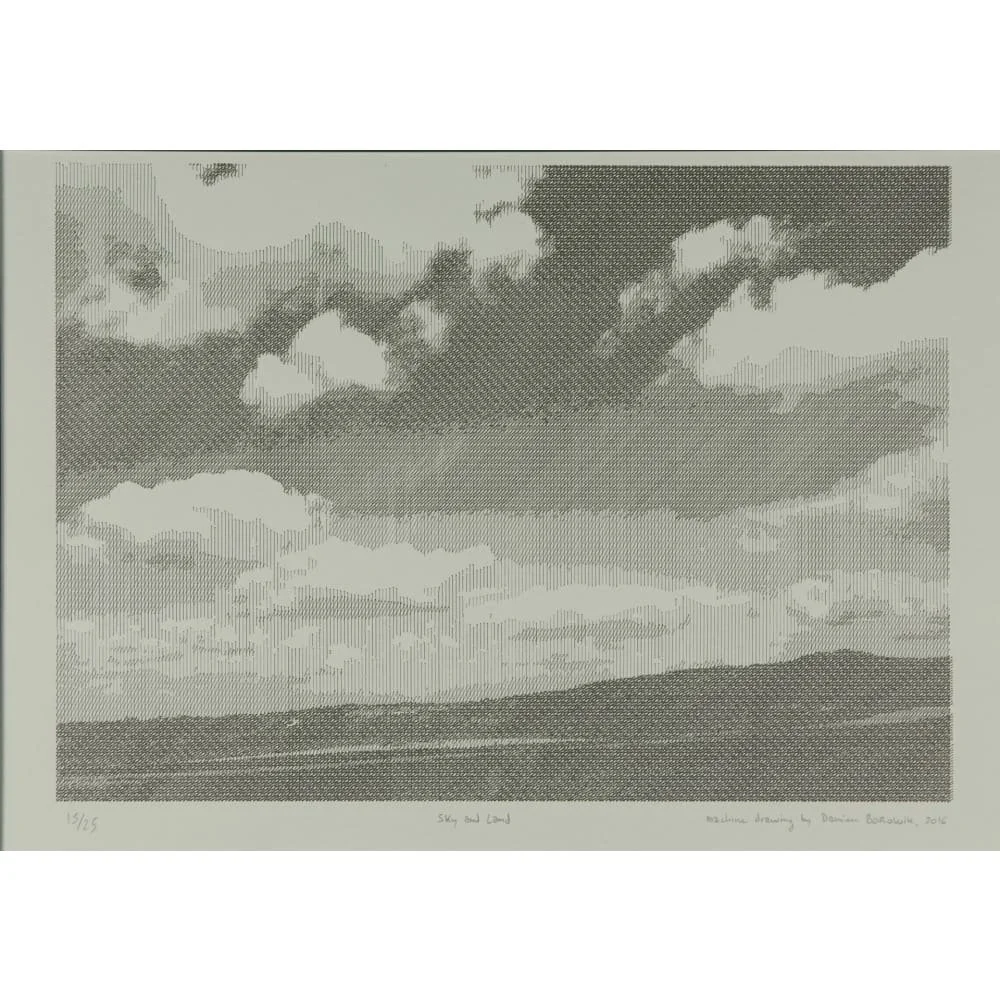
The first thing most people look for, after admiring the work, is for the artist's signature which will often be placed bottom right of the image in the margin between the image and the edge of the paper. This is the artist's seal of approval and what gives the work its value. Without the artist's signature to prove authenticity it could be an unsanctioned run outside the intended edition.
Some artists choose to sign the work on the reverse, in which case this should be noted and accompanied by a certificate of authenticity. All works purchased from Woolwich Contemporary Print Fair come with a certificate of authenticity provided by Tagsmart.
-
The size of the edition is determined by the artist. Historically this was based on the material of the ‘matrix’ and how much pressure it could withstand before the image began to distort or fade. The act of creating a print is a time consuming and physical process and the pressure of running a plate or block through a press multiple times will in time cause the image to distort. However advances in technology and materials can allow for much larger runs than in the past.
The artist will indicate the size of the entire edition and the number of the individual print within it by writing the print number over the overall size (often bottom left of the image in the margin). For example the first edition out of a total of forty-five will look like this: 1/45, the second 2/45 and so on until the final edition 45/45.
1/10 – print number 1 from a total of 10 identical prints.
15/20 – print number 15 from a total of 20 identical prints.
-
Occasionally a number of letters might be found in place of the edition (AP, EA, PP or HC) referring to the Artists or Printer's ‘Proof’. These are pulls, or prints, that are outside the edition and are intended for the personal archives of the artist or in some cases as gifts. These are identical to the edition prints and are printed at the same time. Sometimes working proofs can also be designated an ‘Artist Proof’, this is when a work in progress is pulled and the artist chooses to keep it before continuing to work on the image.
In place of the edition size the letters AP (Artist Proof) or EA (épreveuve d’artiste) will be used to identify it as an Artist Proof. Some artists number their proofs but the general consensus is that these proofs should not exceed 10% of the edition size.
Printmaking is often a collaborative process with the help of a ‘Master Printer’ or ‘Atelier’ and the artist might gift a proof to the pinter or workshop that helped to create the work. Like an Artist Proof the letters PP (for Printers Proof) or HC (hours commerce) would be found in place of the edition size.
-
The final abbreviation likely to be found on a print is VE, which stands for Varied Edition. Normally, an artist printing an edition is striving to make each print as identical as the next in the edition. A Varied Edition is when the artist intentionally chooses to add variation to each print.
In this case the artist would indicate this by writing VE (Varied Edition) next to the size of the edition. For example VE, 1/10.
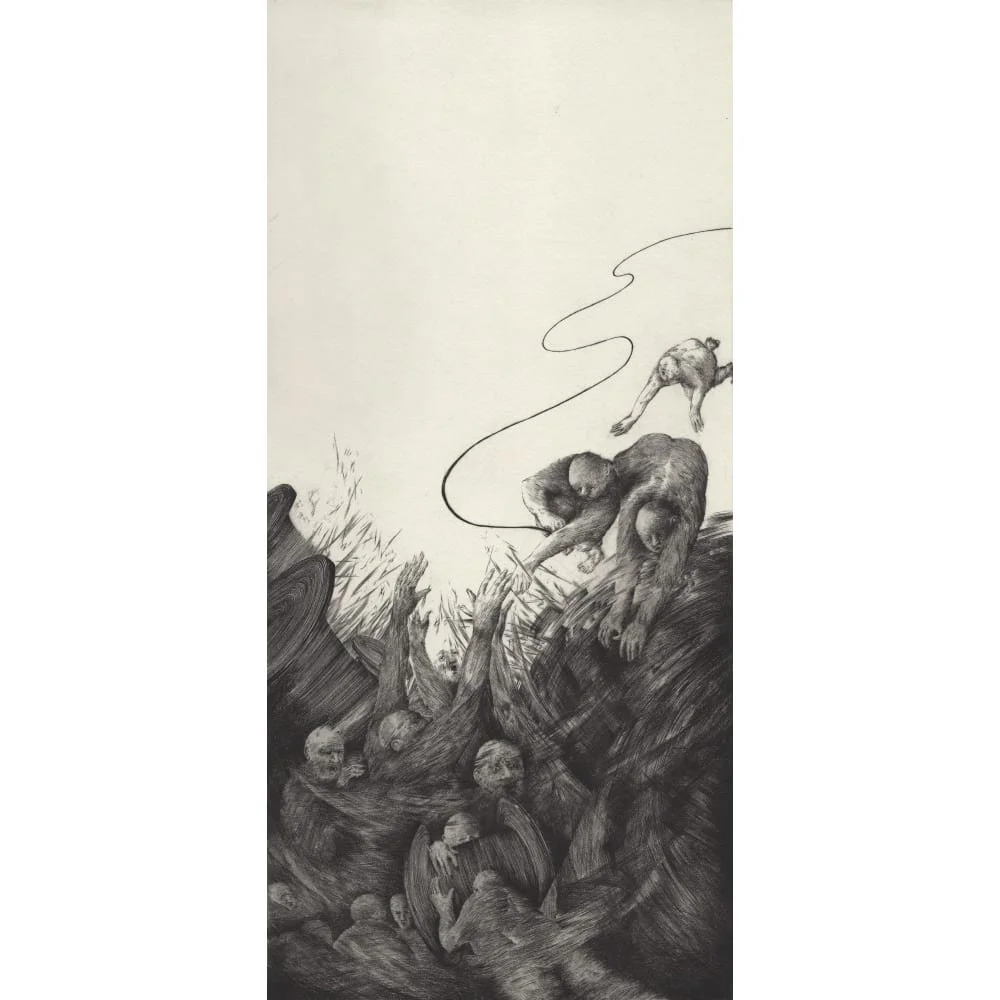
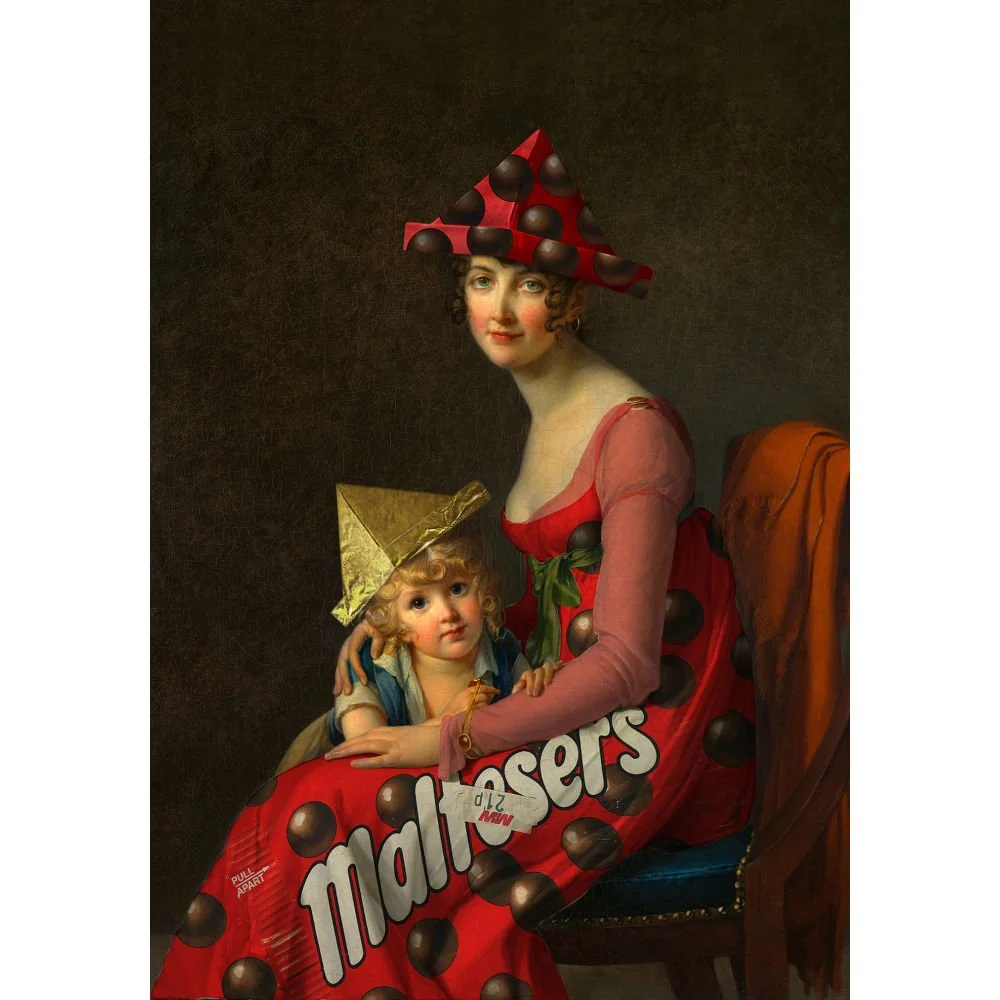
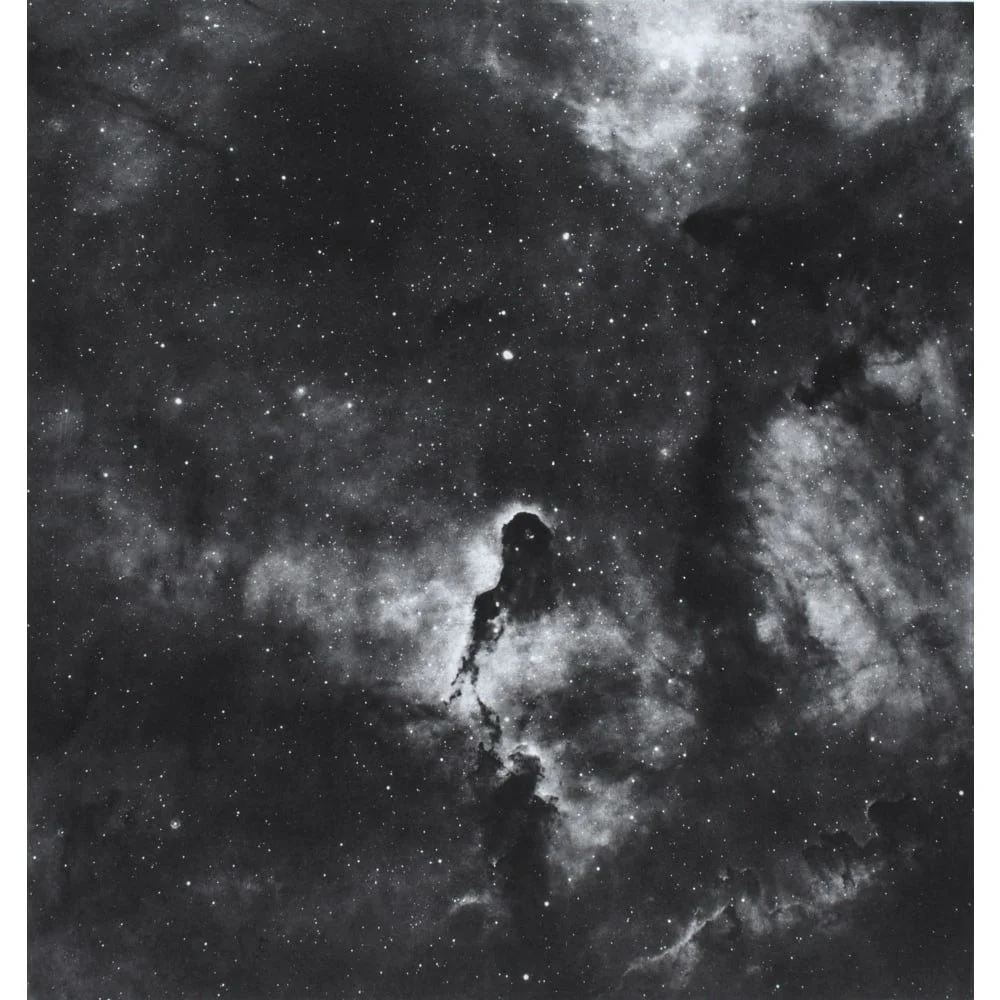
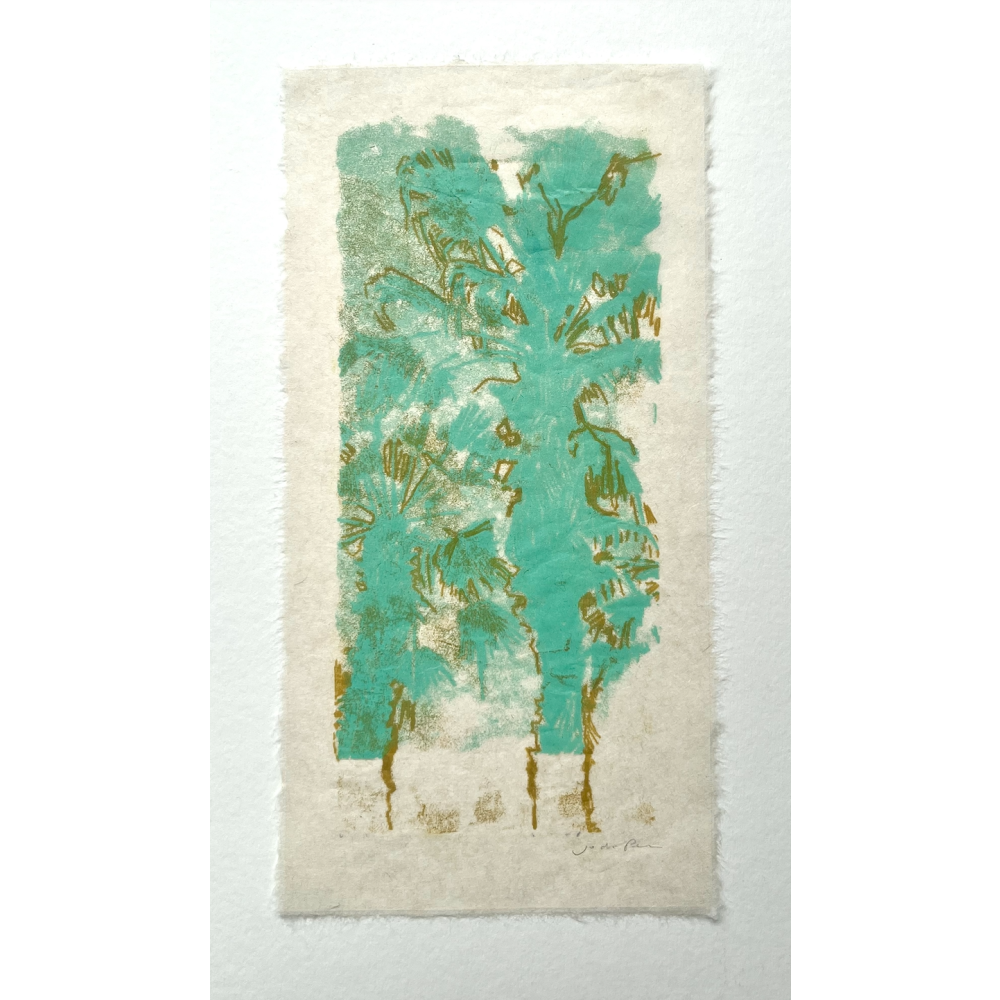
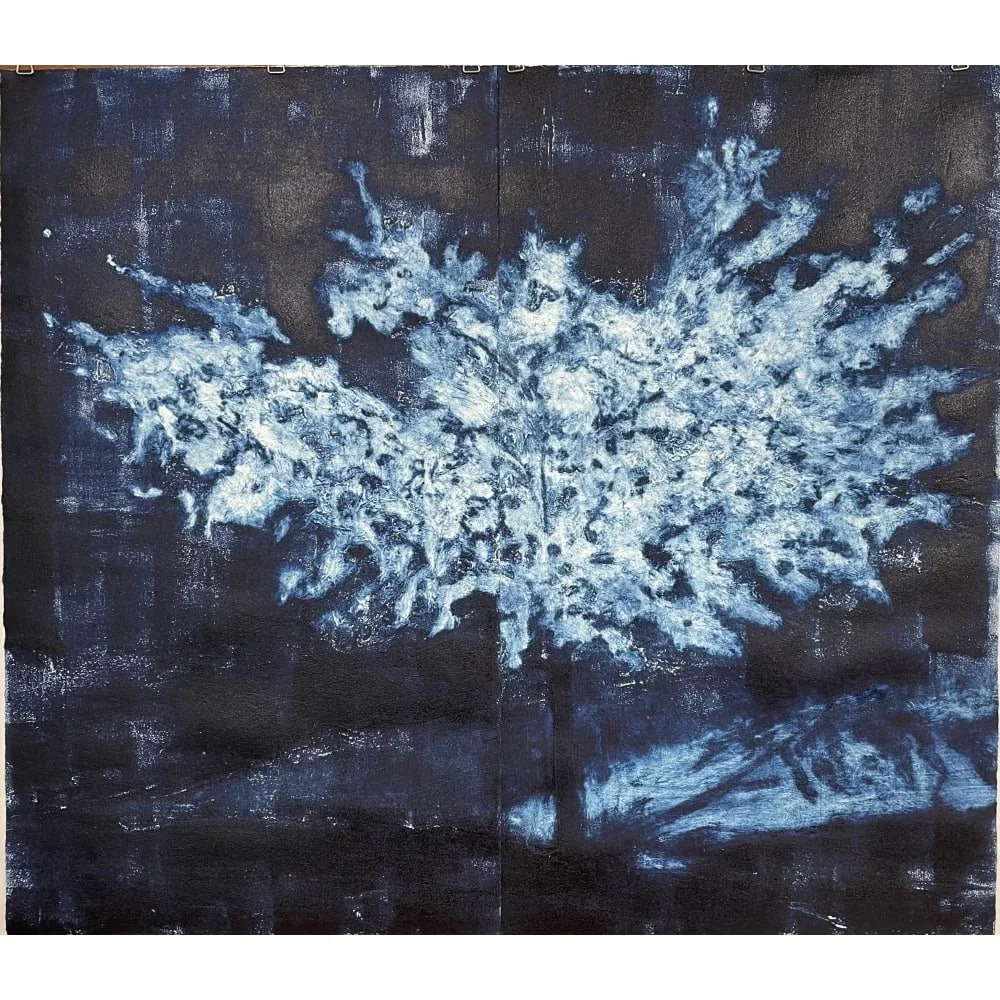
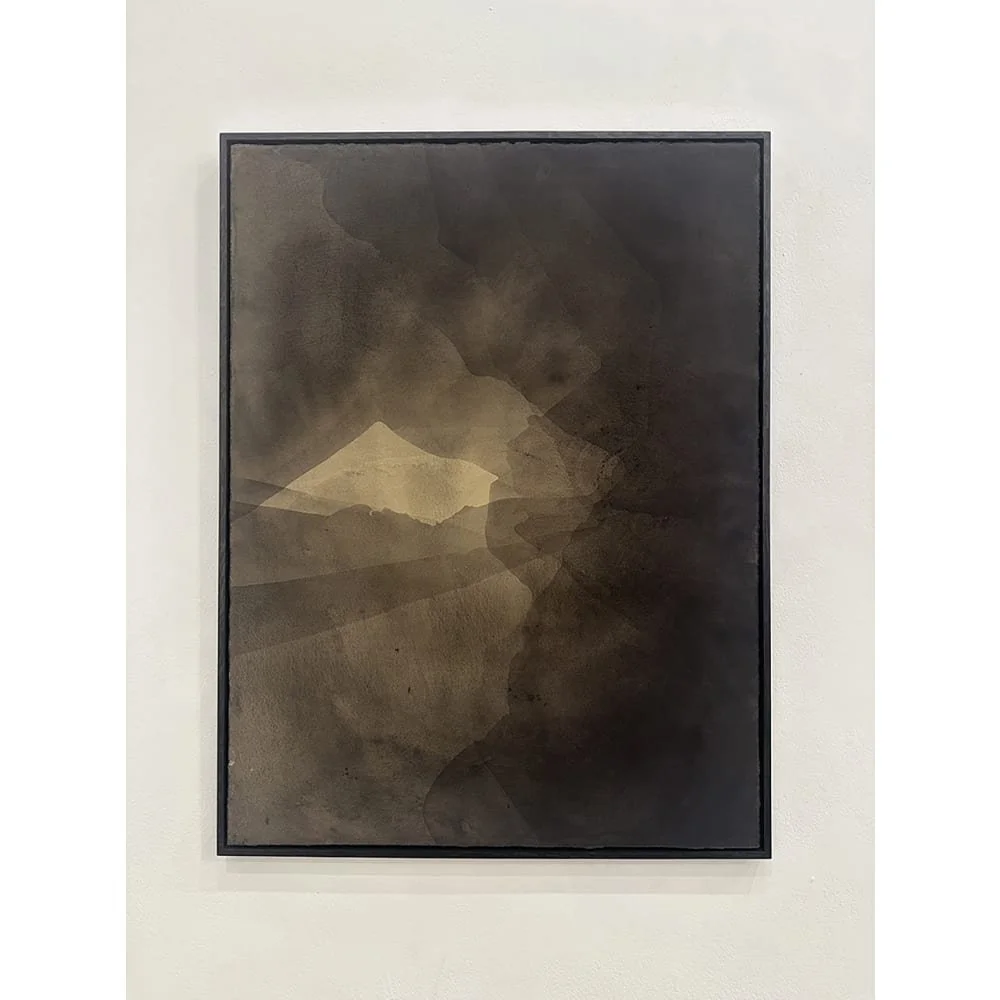
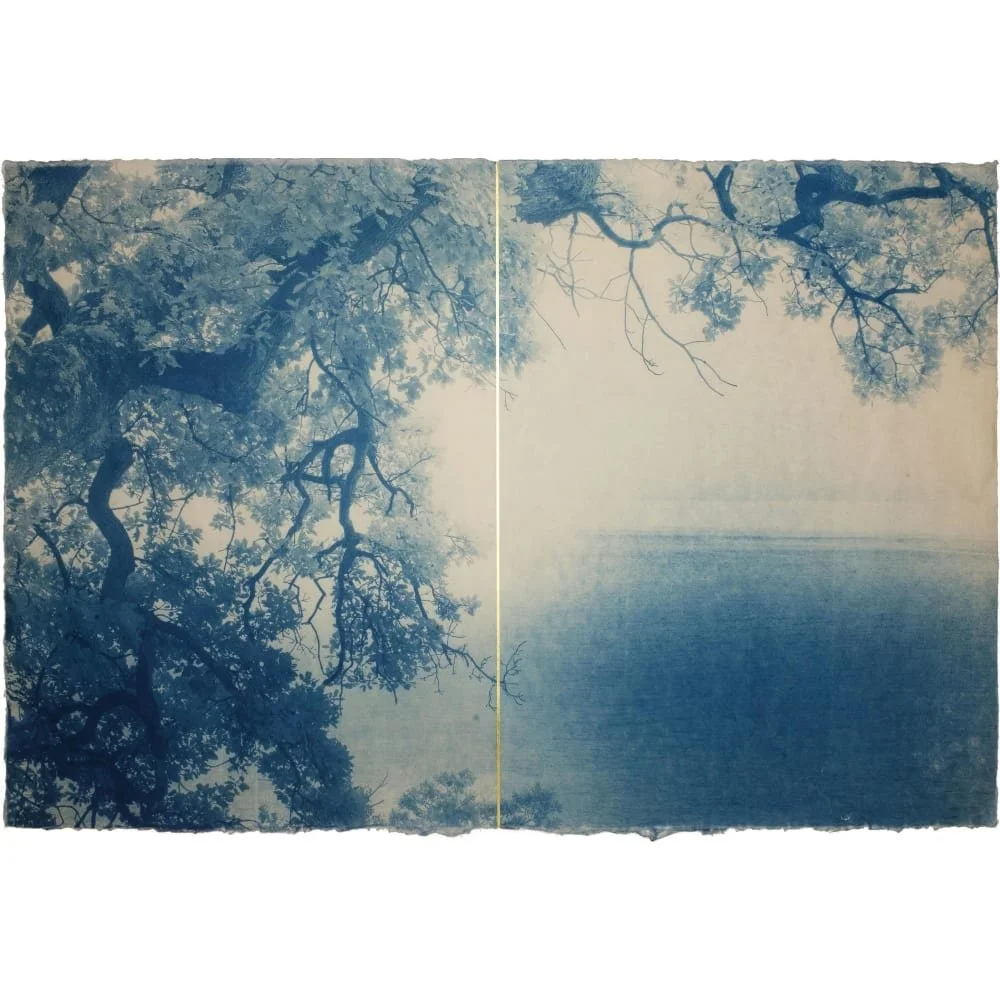

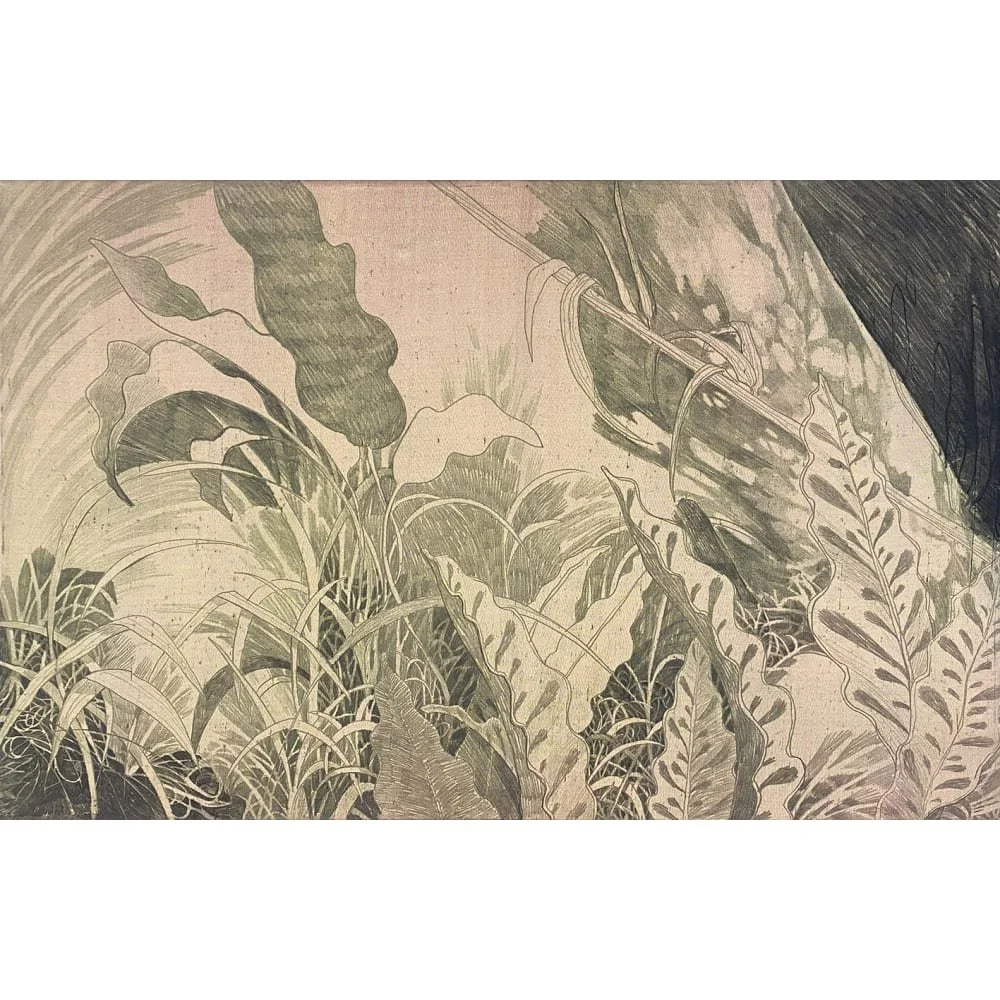
PRINT FAQS
WHAT IS A LIMITED EDITION?
The term Limited Edition is used to describe an edition that has been limited to a certain size. Like an ‘original’ they are numbered individually and can even be signed by the artist, however unlike an original print these are reproductions and are often sold with a number of size variations. The size of the edition are much larger than an original work and can range from roughly 100 to over 1000. An open edition is a run of prints that are not limited and can be reproduced an infinite amount of times.
Neither an open edition or limited edition are considered worthwhile investments.
DOES THE EDITION SIZE MATTER?
The size of the edition has a significant bearing on the value of the print. As with any commodity the rarer something is the higher its value. The same goes with prints; a monoprint or an edition of 5 will demand a much higher price than an edition of 30 or higher.
HOW ARE PRINTS PRICED?
There are a number of factors that affect how a print is priced. The price will take into consideration the artist’s overall market value, the appeal of the image, the size of the edition and the costs associated with its creation. Pricing is a fine art in itself and the artist and publisher will take all of these factors into account when launching a new edition.
What is an original print?
Simply put, a print is an image that has been transferred from one surface to another.
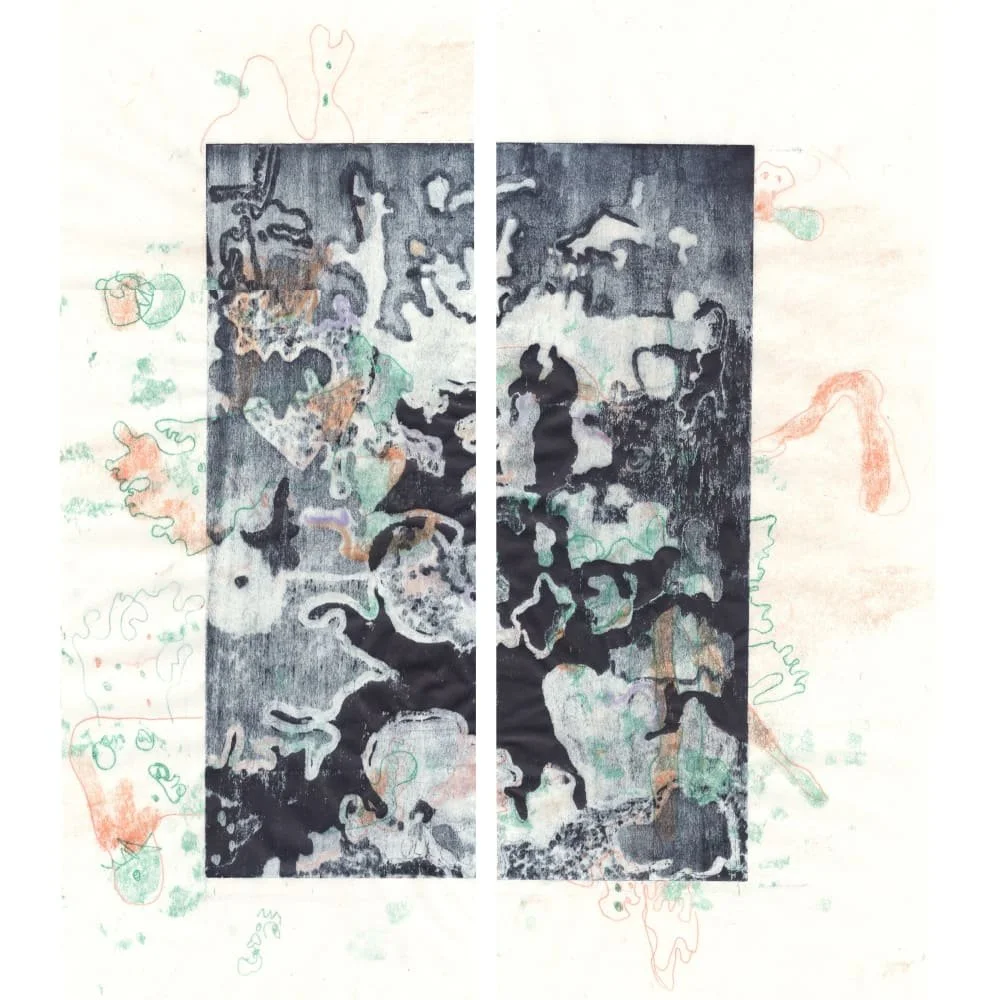
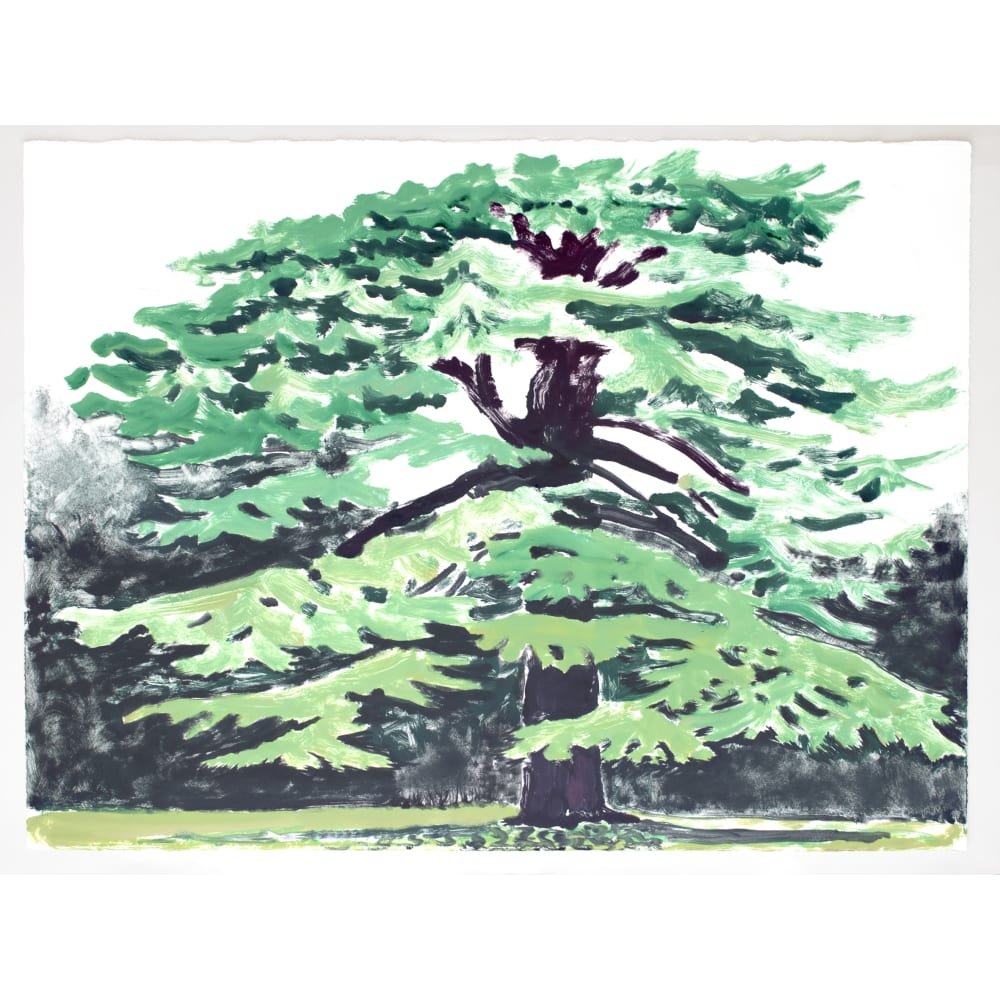
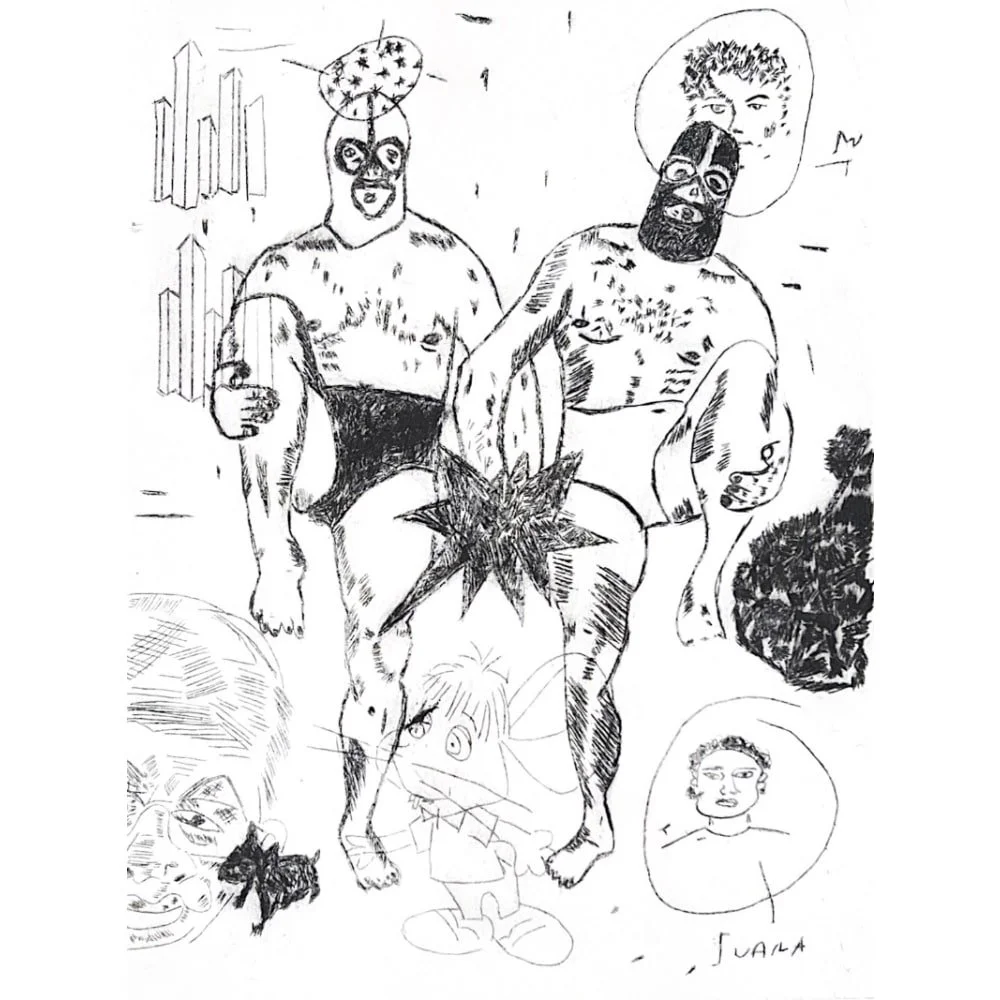
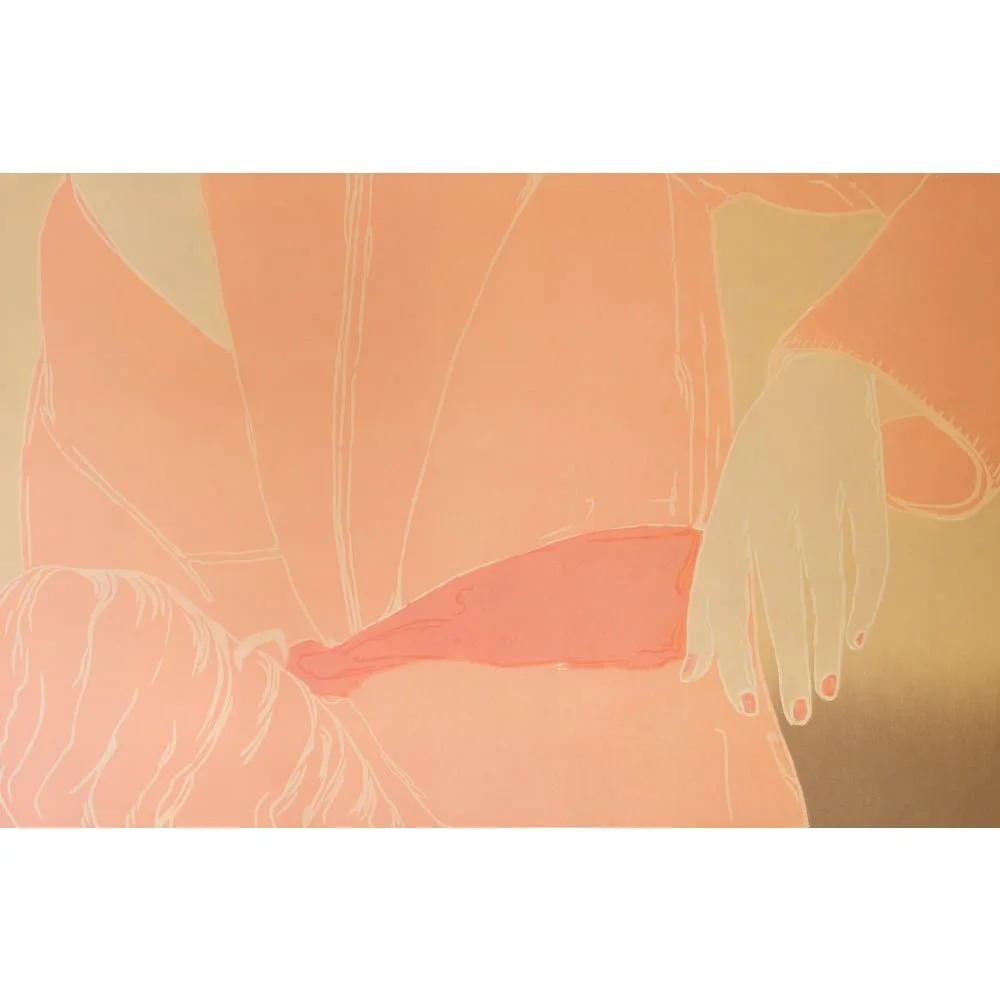
'Printmaking' is a broad term that encapsulates a number of fine art techniques and processes, from etchings and monotype, to digital and screen printing, in which the artist makes images from a master (plate or 'device') or 'matrix'. This includes digital or photographic work where the image has been transferred either digitally from the screen to paper, or from the negative.
Although multiple editions can be created (excluding monotypes which are unique or 'mono'/1), each individual work is indeed an ‘original’ print as it has received the artist's individual attention. All WCPF prints are unique or limited edition, meaning that the artist has produced a finite number.
We define an ‘Original Print’ as a work of art that was conceived as a print in its first instance, as opposed to a reproduction of another original work.
This means the artist has set about to create a print, whether it is an etching, mono-print, lithograph etc. rather than simply taking a photograph or scan of an existing artwork and printing out a number of ‘reproduction’ prints like a poster. The artist decides on the number of editions within the print run and number each accordingly (eg. 1/30). There is no difference in value between the first and the last print within the edition as each one is an original artwork.
Once all editions have been printed the matrix is destroyed or repurposed so no others can be made.
Prints are classified according to the type of surface used to make them. These have historically been divided into three groups: Intaglio, Relief and Planographic. Each procedure is complex, frequently used in combination with another, and is in constant state of revision and refinement. Some artists have even developed their very own printmaking technique, involving all or none of these categories.
Curated Hang Explained
Woolwich Contemporary Print Fair is the only event of its kind to feature a unique hybrid model: 50% specialist gallery booths showcasing some of the world’s most acclaimed contemporary print artists, and 50% Curated Hang - a selection of independent international artists chosen by a panel of industry experts.
This distinctive format gives collectors access to thousands of original artworks at a range of price points, offering the perfect opportunity to start or expand a collection - and to discover emerging talent with exceptional investment potential.