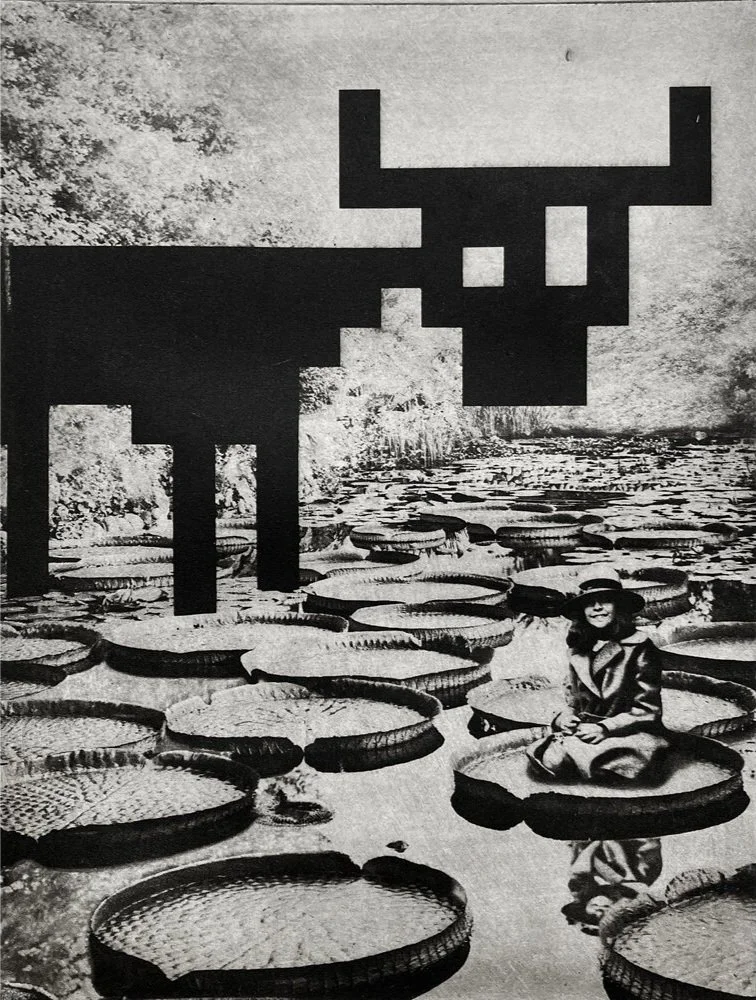
What is a Photochemical Print?
Photomechanical printmaking is a process that involves using photographic techniques to transfer an image onto a printing plate. This method combines traditional printmaking processes with photography to create intricate and detailed prints.
The process starts by creating a photographic negative of the desired image. This negative is then transferred onto a light-sensitive printing plate through a process like photoengraving or photolithography. The plate is treated with chemicals that react to light, creating a durable image that can be used for multiple prints.
Photomechanical printmaking allows artists to reproduce photographs, drawings, and other images with high precision and detail. It offers a way to incorporate photographic elements into traditional printmaking techniques, opening up new possibilities for artistic expression.
Photopolymer, also known as a photogravure or photetching, is a type of printmaking technique that utilizes light to create a printing plate. In this process, a light-sensitive polymer material is exposed to UV light through a transparency film containing the desired image. The areas exposed to light harden while the unexposed areas remain soft and can be washed away.
Once the plate is exposed and developed, it can be inked and used to transfer the image onto paper through a printing press. Photopolymer prints are known for their fine detail, tonal range, and ability to replicate the subtleties of a photograph. This method has gained popularity among contemporary printmakers for its versatility and ease of use in creating high-quality prints with intricate designs.