 Image 1 of 3
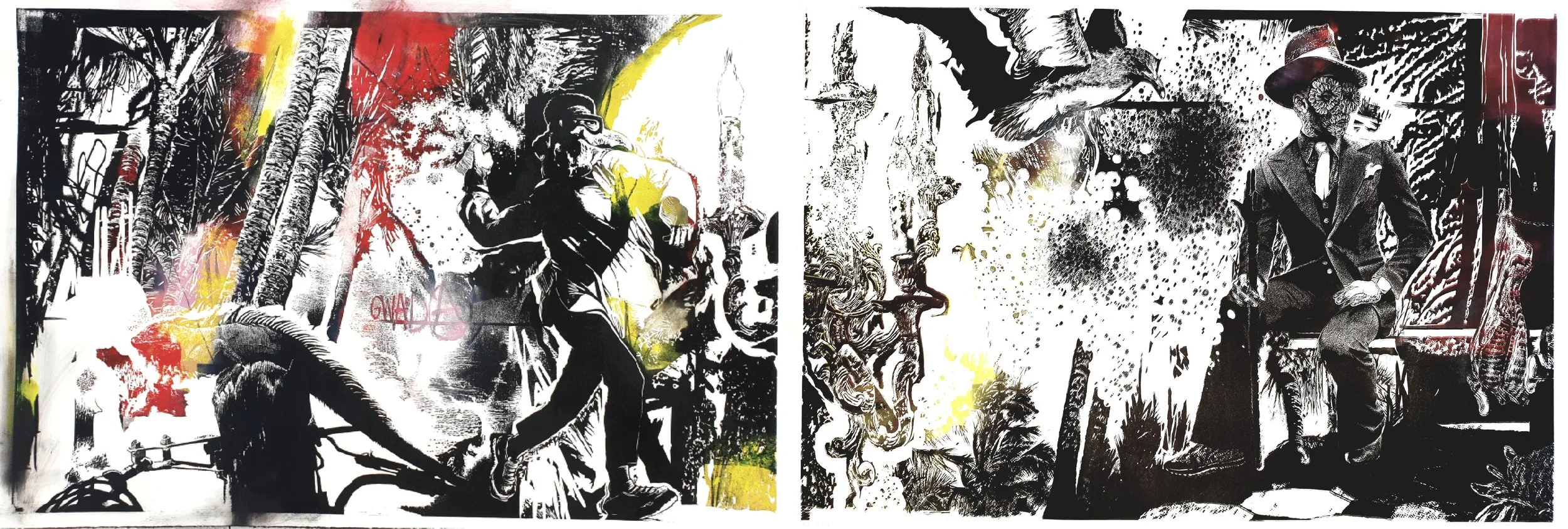 Image 2 of 3
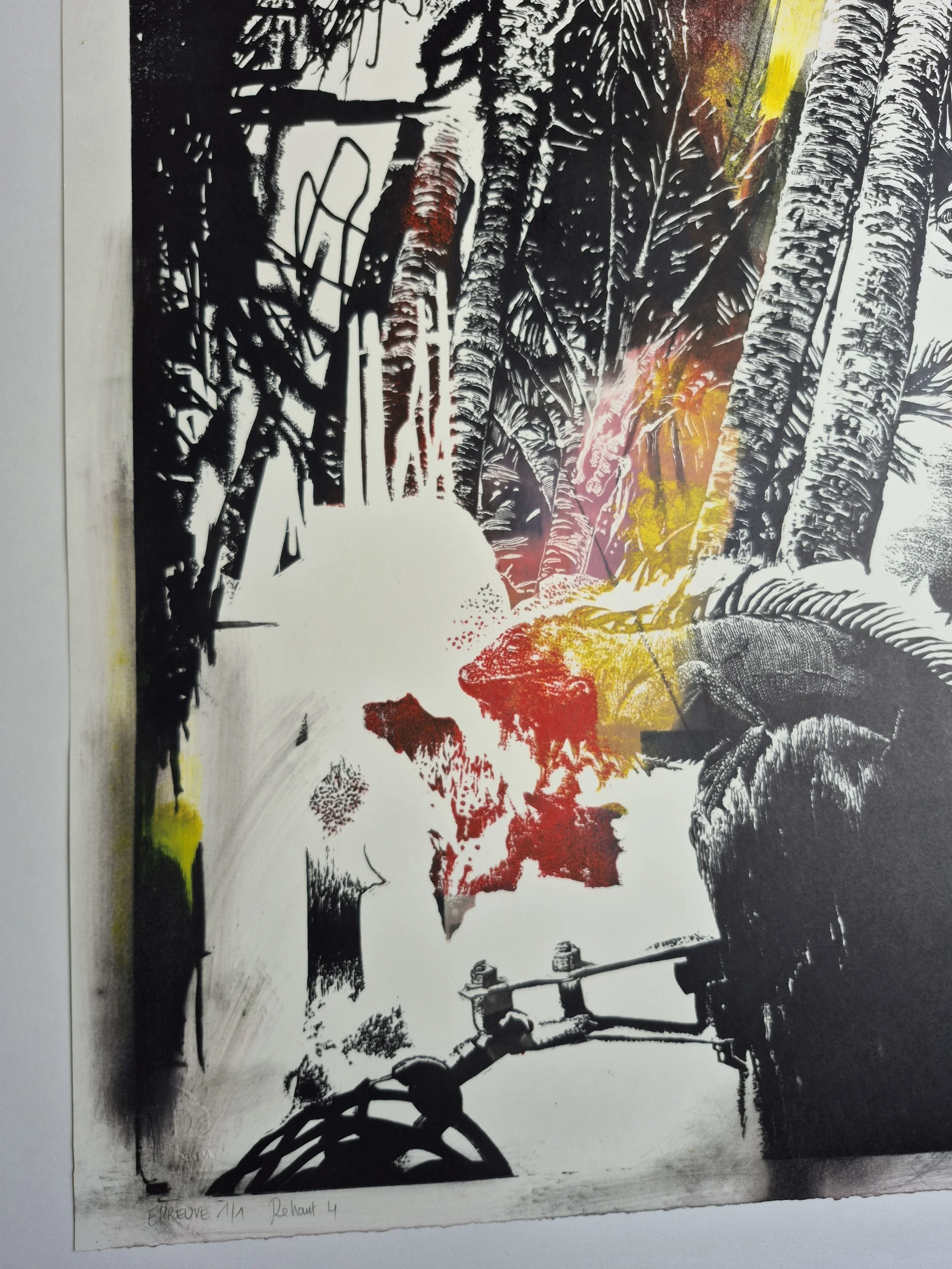 Image 3 of 3
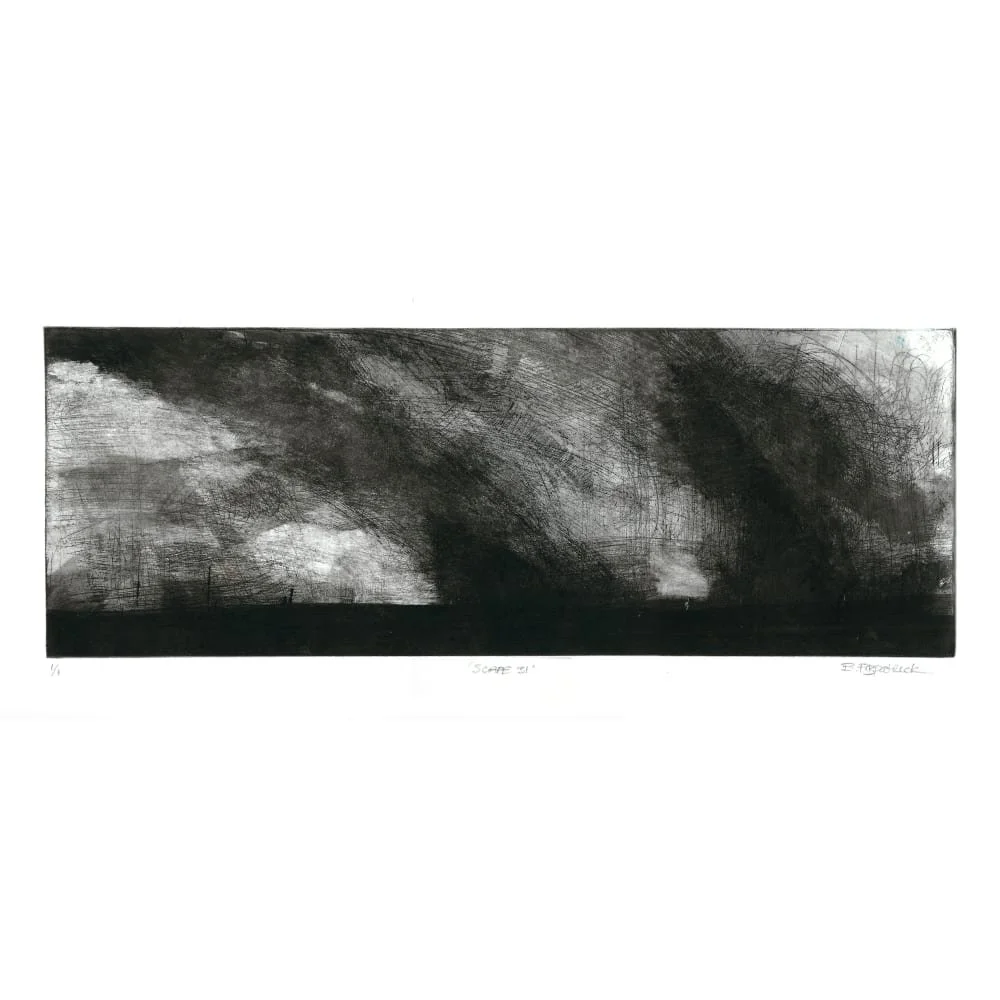
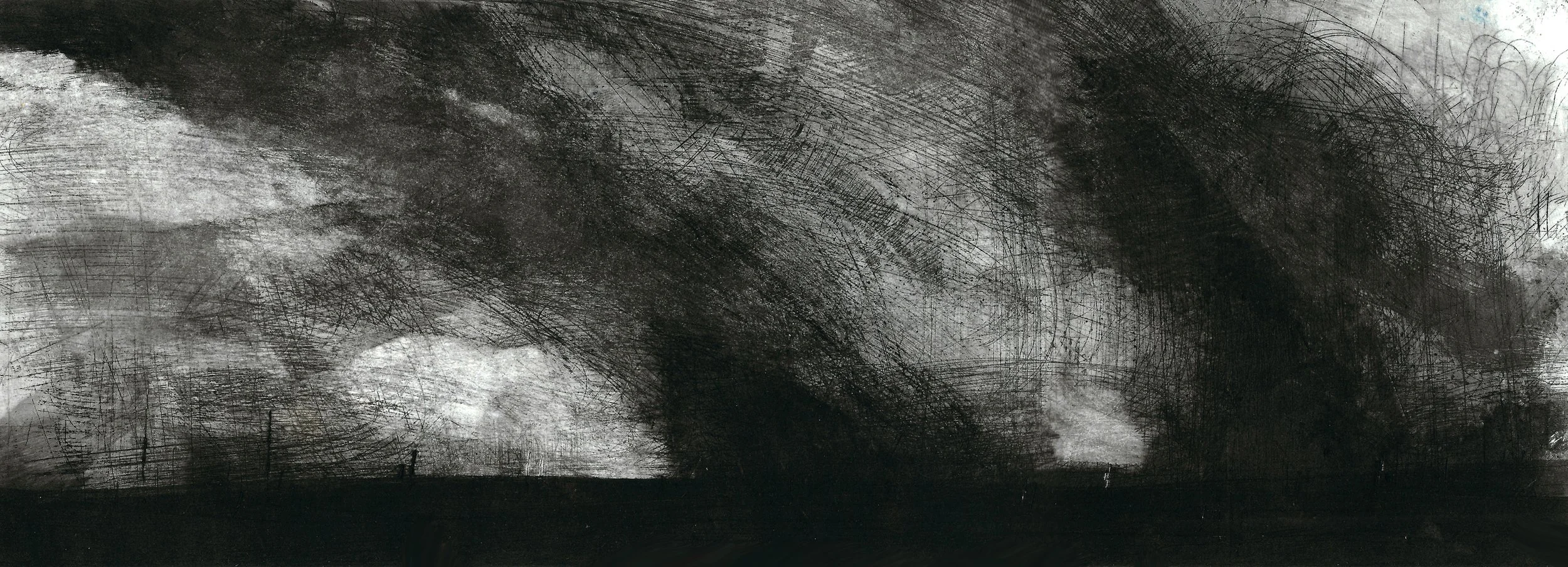
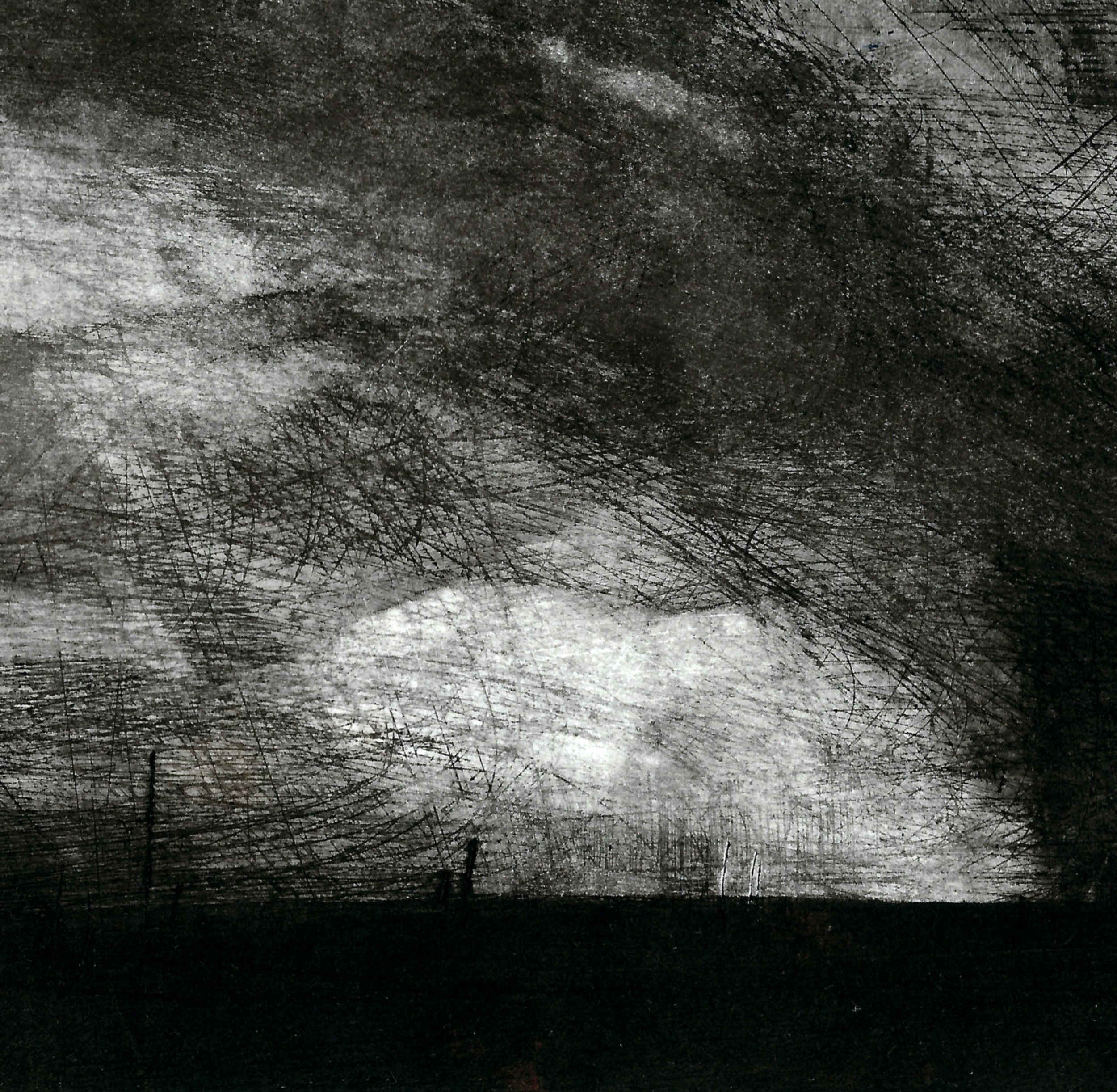
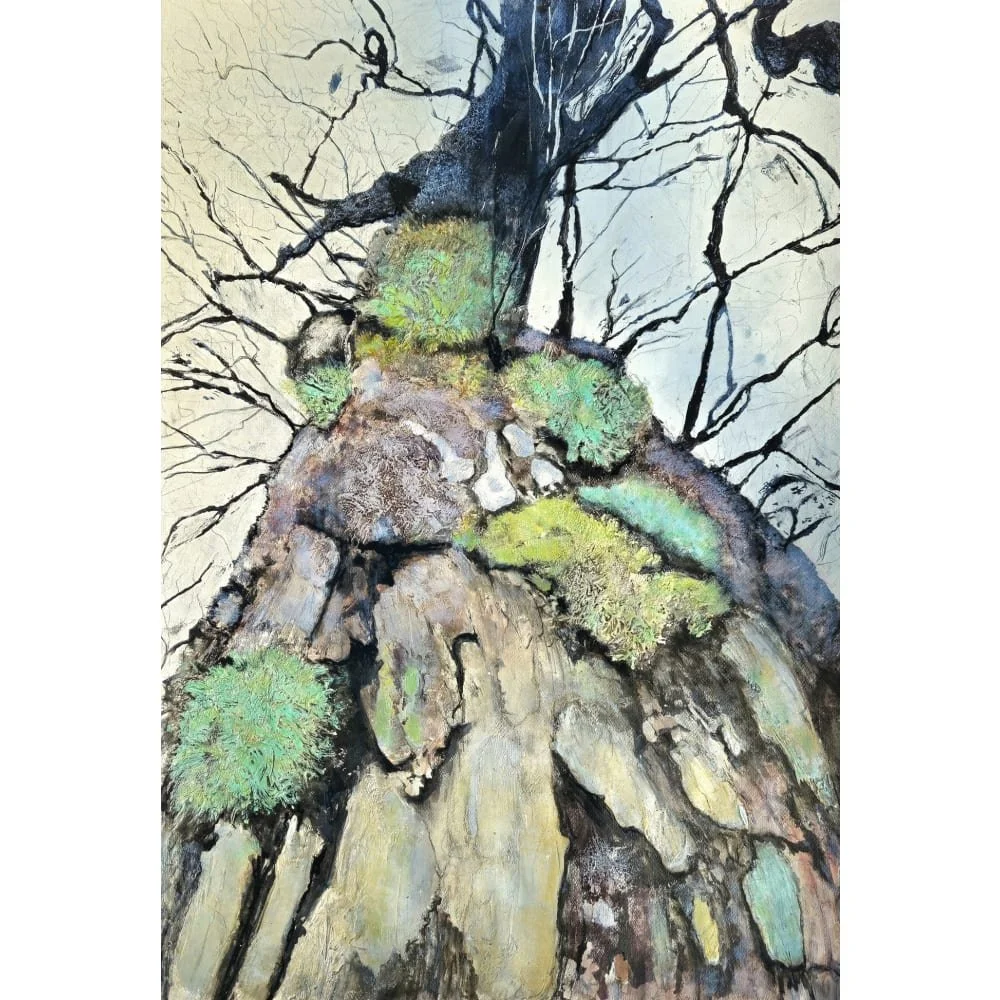
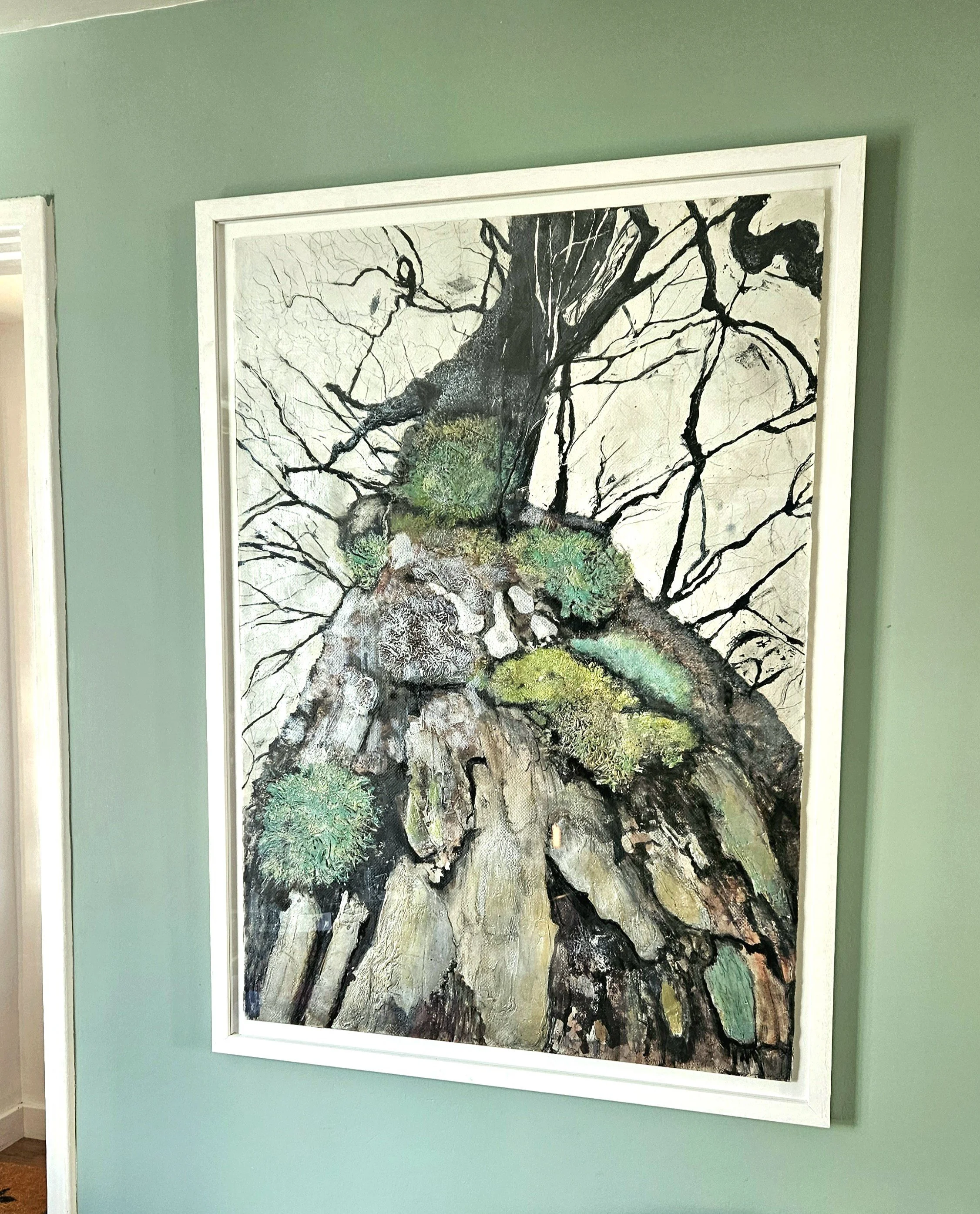
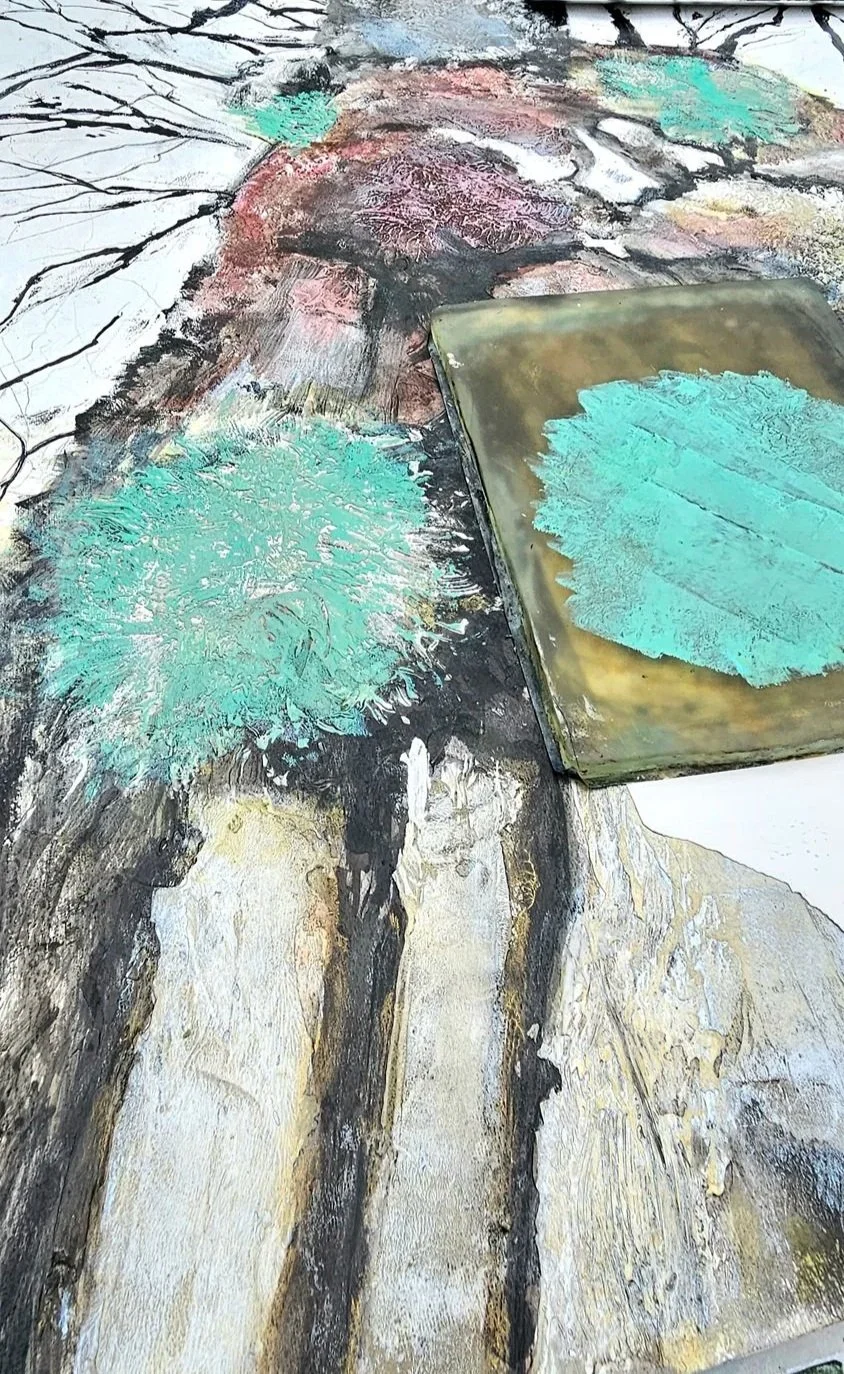
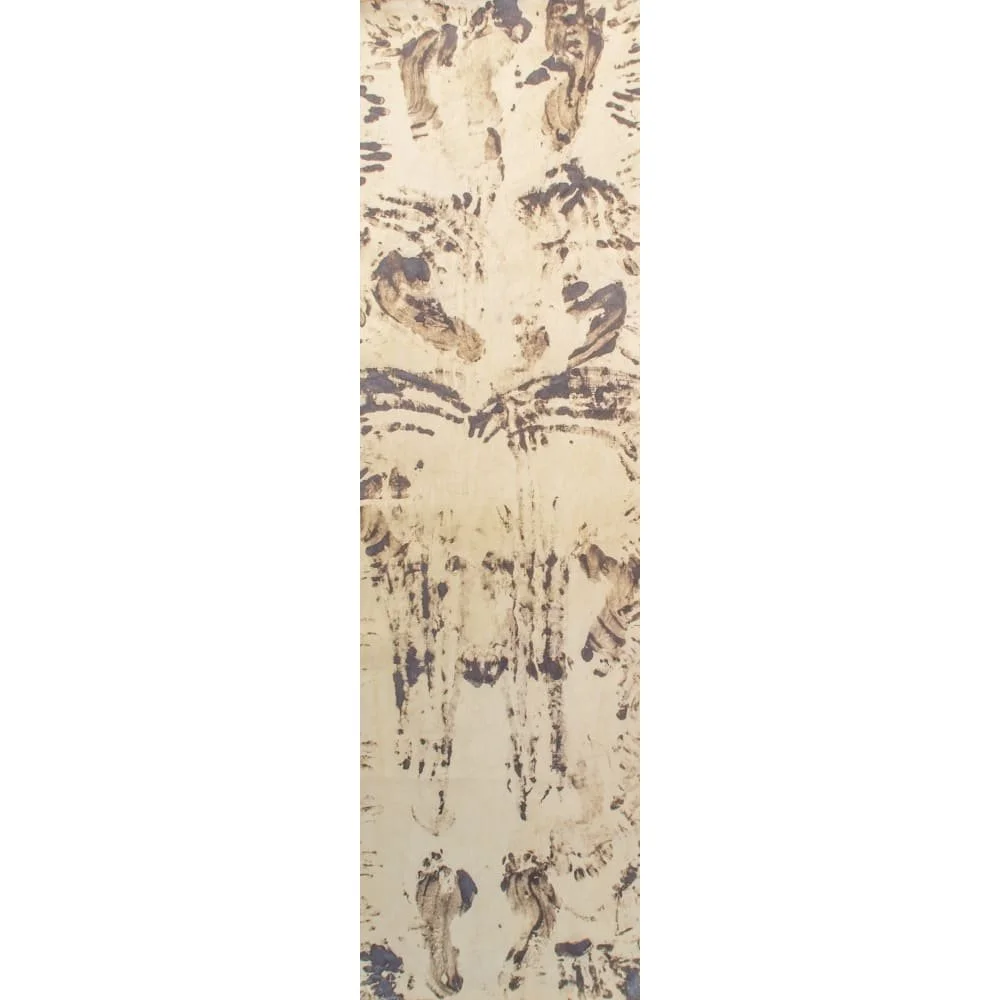
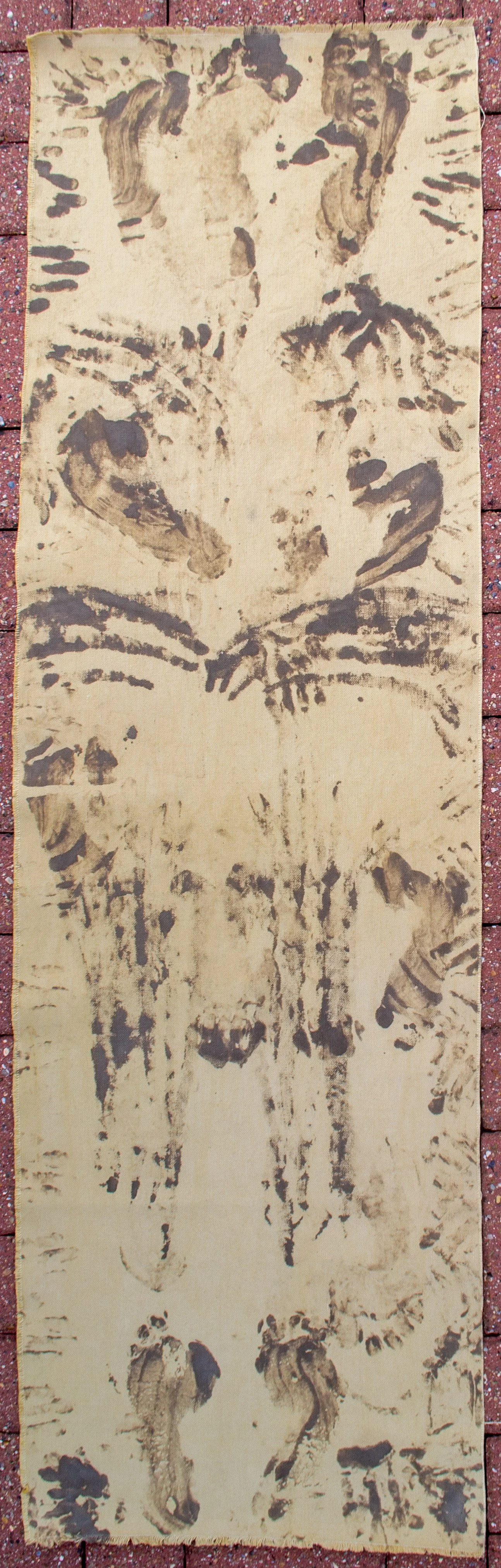
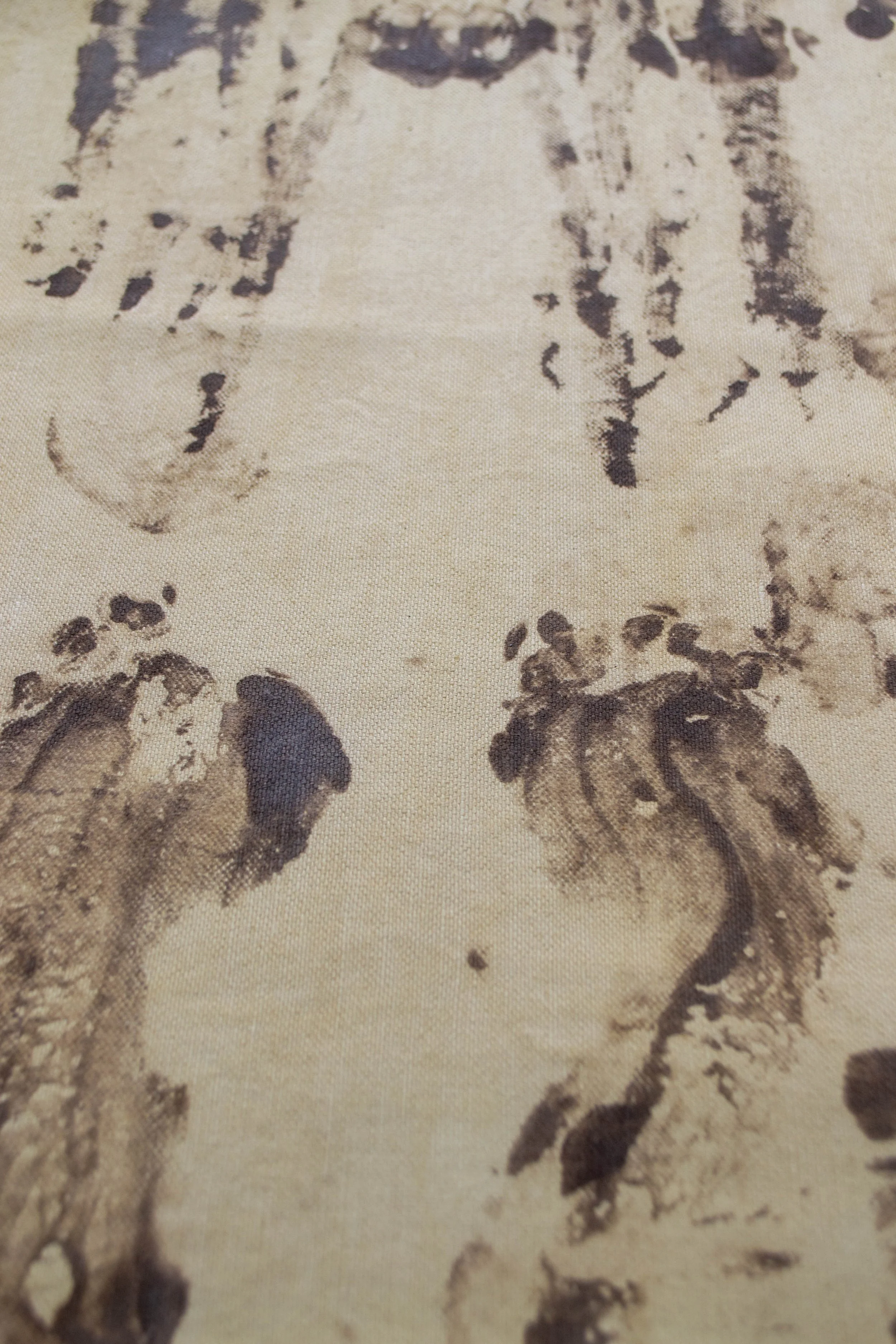
Linocut
Media Dimensions: 190 x 64 cm
Image Dimensions: 180 x 60 cm
Unique Work
Split your payment over 10 months with OwnArt 0% APR. Your monthly payment for this artwork would be £700.00.
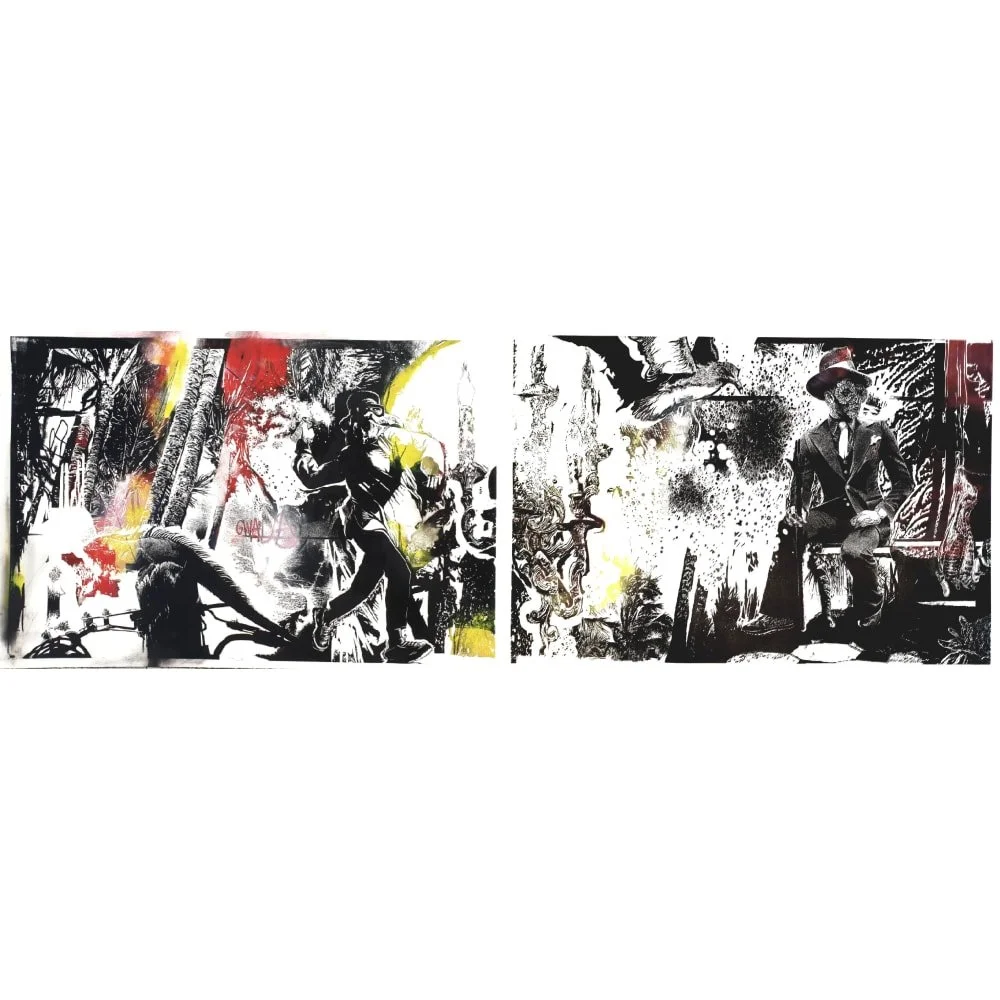
Florence Poirier-Nkpa has lived and worked in Saint Martin in the Caribbean since 2006. Her work does not specifically address her origins, decolonization, gender, or environmental issues. When she examines a drawing, a painting, a performance photograph, or a film replica, the work of the other becomes the starting point for an often engaged discourse. From all periods and styles, she can choose Ernest Pignon's Ernest Pulcinella (1993) to tell the Chronicle of a sentence announced by a world she considers hermaphroditic, to the point of reproducing itself, identically and infinitely; just as she can ironically critique the Ghanaian Adinkra symbol Sankofa by asking where the treasure of our future has gone, while revisiting Antonius Eisenhoit's engraving Haeresis Dea (1589). Through drawing, linocutting, and installation, she constantly seeks pretexts for narratives with colliding words, highlighting what makes our lives complex and contrasting. These quotes from works are rarely engraved literally; more often, they include allusions, commentaries, critiques, and remarks. Printmaking is an essential medium for her, who considers herself to be writing "Chronicles." She likes to think of herself as disseminating anecdotes, ideas, and important, diverse, or striking facts in the form of printed pages so that they can be remembered or forgotten.
Linocut
Media Dimensions: 190 x 64 cm
Image Dimensions: 180 x 60 cm
Unique Work
Split your payment over 10 months with OwnArt 0% APR. Your monthly payment for this artwork would be £700.00.
Florence Poirier-Nkpa has lived and worked in Saint Martin in the Caribbean since 2006. Her work does not specifically address her origins, decolonization, gender, or environmental issues. When she examines a drawing, a painting, a performance photograph, or a film replica, the work of the other becomes the starting point for an often engaged discourse. From all periods and styles, she can choose Ernest Pignon's Ernest Pulcinella (1993) to tell the Chronicle of a sentence announced by a world she considers hermaphroditic, to the point of reproducing itself, identically and infinitely; just as she can ironically critique the Ghanaian Adinkra symbol Sankofa by asking where the treasure of our future has gone, while revisiting Antonius Eisenhoit's engraving Haeresis Dea (1589). Through drawing, linocutting, and installation, she constantly seeks pretexts for narratives with colliding words, highlighting what makes our lives complex and contrasting. These quotes from works are rarely engraved literally; more often, they include allusions, commentaries, critiques, and remarks. Printmaking is an essential medium for her, who considers herself to be writing "Chronicles." She likes to think of herself as disseminating anecdotes, ideas, and important, diverse, or striking facts in the form of printed pages so that they can be remembered or forgotten.