
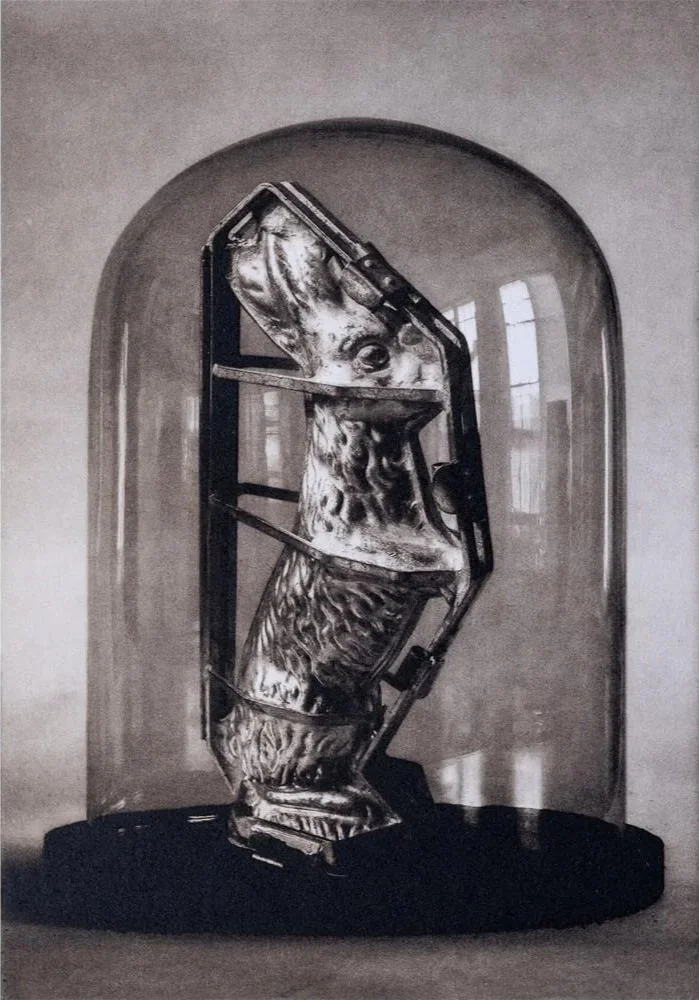
Photography
Photography is a process in which images are captured through the action of light on a photosensitive surface. Whether produced using analogue film or digital capture, the image originates in the camera, where light passing through a lens records a moment in time. The resulting photograph can then be printed as a limited edition.
In analogue photography, the image is developed chemically from a negative and printed in a darkroom onto light-sensitive paper. In digital photography, the captured data is processed and printed using archival inks and papers. In both cases, the artist determines scale, surface, and presentation to shape the final work.
Although photography does not involve a carved or incised plate, it operates within printmaking traditions when produced in signed and numbered editions. The negative or digital file functions as the source matrix, enabling consistent reproduction while allowing for variation in interpretation through printing choices.
Photographic prints are valued for their tonal depth, precision, and relationship to light. The medium captures detail and atmosphere simultaneously, and within an editioned context, photography occupies a central place in contemporary print practice.
-
The image is captured using film or digital methods.
The photograph is printed using archival processes.
The artist authorises and numbers a fixed number of prints.
-
Precise image capture.
Wide tonal or colour range.
Surface varies depending on paper and printing method.
-
Consistency across impressions is typically high.
Edition size is declared and fixed.
Archival materials affect longevity.
-
Determined by edition size and condition.
Earlier printings or smaller editions may circulate less widely.